Holo vs Reverse Holo Pokémon Cards: How to Tell Every Foil Finish Apart
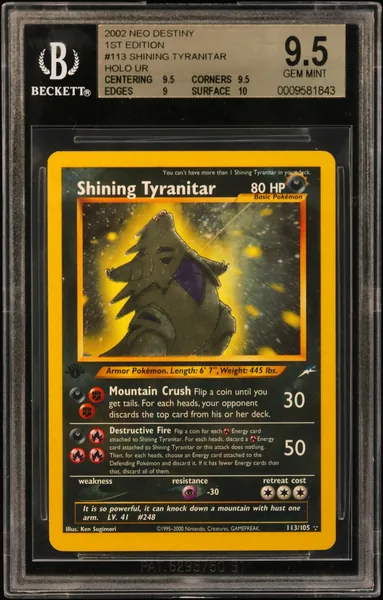
A standard holo shines strictly inside the artwork box, whereas a reverse holo places foil across the card body while keeping the art matte.
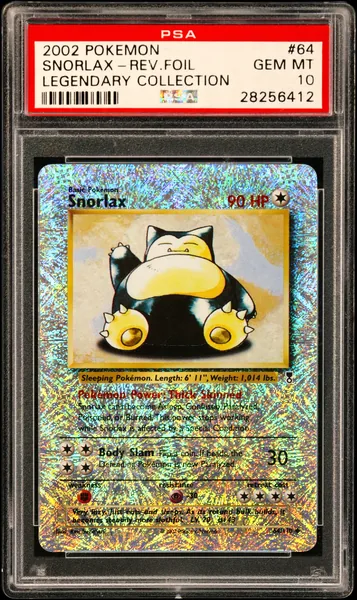
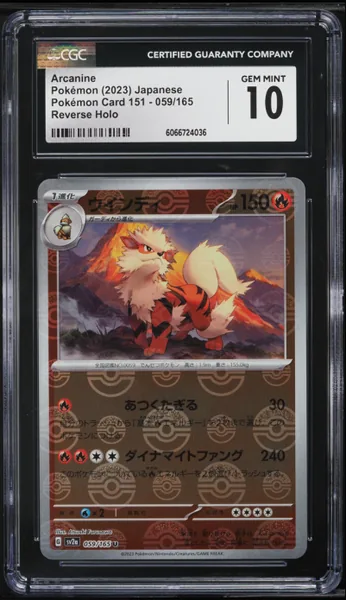
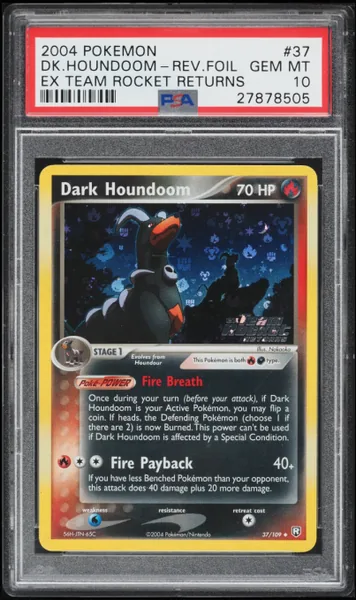
Distinguishing holo vs reverse holo Pokémon cards takes three seconds under a single desk lamp once you know which part of the card reflects light. Official Pokémon checklists call reverse holos "parallel foil" cards, and because grading companies catalog Holo, Non-Holo and Reverse Foil copies on separate population lines, reading the finish accurately matters before buying, sorting a master-set binder or submitting for grading.
The tilt-and-light test
Hold the raw card under one direct light source rather than diffuse ceiling glare and tilt it gently forward and back. If the holographic shimmer stays confined inside the rectangular character illustration while the surrounding color frame, Evolution bar and attack text box remain flat matte ink, the card is a traditional Holo Rare.
If the opposite happens, where the outer card body, stage header and attack text box shimmer with foil while the character portrait window stays matte ink, the card is a Reverse Holo. If neither area shimmers, the card is a standard non-holo base card. Full-art Ultra Rares, Illustration Rares and Special Illustration Rares apply foil and etched texture across the entire face from border to border rather than using the Holo or Reverse Holo split; match those tiers by corner icon in our Pokémon rarity symbols guide.
Pokémon foil finishes compared
| Finish | Where foil shines | Typical checklist slot |
|---|---|---|
| Standard Holo | Inside the character art box only | Single-star Holo Rare |
| Standard Reverse Holo | Card body and text box (art matte) | Parallel on Common, Uncommon & Rare |
| Legendary Fireworks | Starburst foil across card body | All 110 cards in 2002 Legendary Collection |
| EX Stamped Reverse | Art box with stamped expansion logo | Mid-2000s EX block parallel foils |
| Poké Ball & Master Ball | Etched ball pattern across card body | Japanese 151 & English special sets |
From official Pokémon TCG checklists and CGC/PSA labeling rules, checked Nov 17, 2026.
Card numbers and set rules
A reverse holo is a finish parallel, not a separate checklist number. A Common, Uncommon or single-star Rare and its reverse holo twin share the exact same card name, collector number and rarity symbol in the bottom corner. When evaluating single-card photos online, flat scanner beds and direct camera flashes often wash out foil boundaries and make a matte artwork window look dark across both finishes, so always check an angled photo taken at roughly 30 to 45 degrees to confirm whether light reflects inside the portrait frame or across the surrounding card body.
Set rules shifted cleanly across eras. During the Sword & Shield block, a main-set Rare could exist in non-holo and reverse holo, while Holo Rares also received reverse holo versions, creating three finishes on certain cards. Starting with Scarlet & Violet in 2023 and continuing through Mega Evolution expansions, every English booster pack includes two reverse holos plus a Holo Rare or higher, while Double Rare ex cards and secret rares do not receive standard reverse holos.
Top Pokémon cards
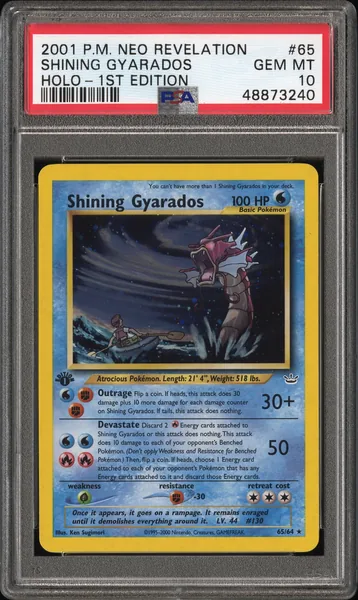
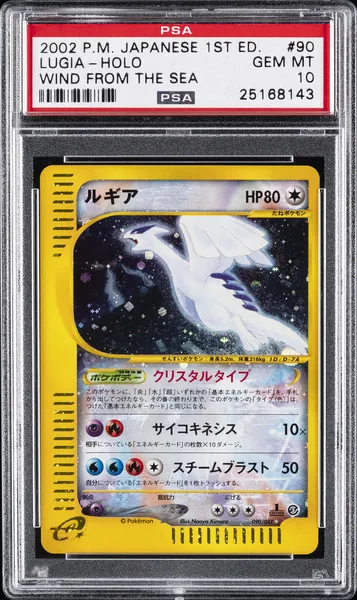
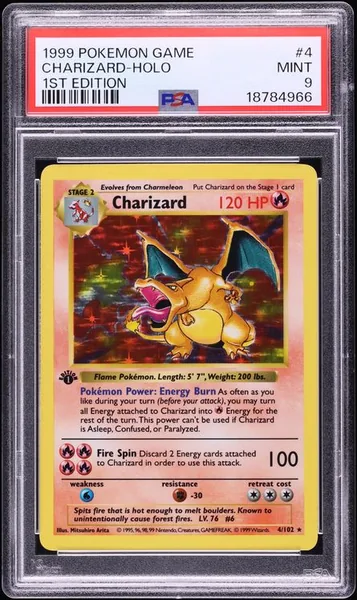
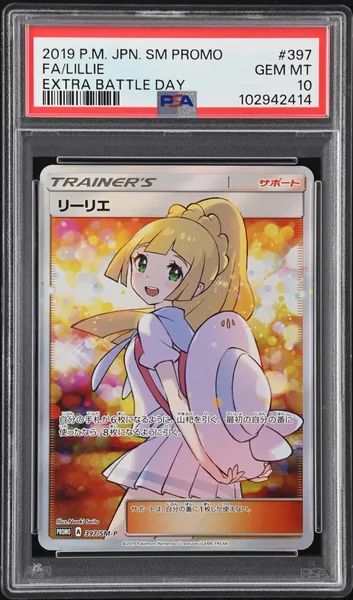
Reverse patterns by era
Pokémon introduced the reverse holo slot in English on May 24, 2002 with Legendary Collection, giving all 110 cards in the set a starburst "fireworks" reverse foil that now trades as a dedicated vintage collector tier led by Charizard #3/110, Snorlax #64/110 and original Kanto starters. Subsequent blocks reinvented the reverse treatment repeatedly, letting experienced collectors date a loose card from the foil pattern alone.
Early e-Card sets (Expedition Base Set, Aquapolis and Skyridge) used smooth mirror foil across the card body. Mid-2000s EX sets such as EX Team Rocket Returns, EX Deoxys and EX Delta Species placed holofoil inside the art frame stamped with the expansion's logo and added metallic gold Pokémon names on Rare reverses, a unique era exception worth checking by collector number. Diamond & Pearl through Sun & Moon rotated between smooth mirror sheets and large elemental Energy watermarks, while Scarlet & Violet switched to geometric type-coded motifs matching Fire, Water, Lightning, Grass and Darkness icons.
Textured ball reverse foils
Modern special expansions elevated the reverse slot into a textured collector parallel by embedding Poké Ball and Master Ball emblems into etched foil across the card body. Japanese Pokémon Card 151 launched the format in 2023 with scarce Master Ball reverses, a pattern never printed in English Scarlet & Violet 151, meaning any purported "English 151 Master Ball" card is an altered or counterfeit piece.
English sets introduced textured ball reverses starting with Prismatic Evolutions in January 2025 (100 Poké Ball and 67 Master Ball parallels across regular Pokémon), followed by Black Bolt and White Flare in July 2025, and Ascended Heroes in January 2026 with Poké Ball, Love Ball, Friend Ball, Quick Ball, Dusk Ball, Team Rocket R and Energy reverse treatments.
Grader labels and foil care
Grading rooms label parallel finishes explicitly: PSA prints "Reverse Foil" on its flip (adding "Poké Ball" or "Master Ball" for special-set patterns), whereas CGC prints "Reverse Holo" beside the card title. Always confirm the flip line matches the slab scan before buying, especially on vintage EX sets where stamped Reverse Foils carry very different population counts than standard Holos.
Because wide mirror-foil and fireworks borders expose hairline sleeve scuffs, factory print lines and humidity curl far more visibly than matte paper text boxes, raw reverse holos lose PSA 10 eligibility quickly when slid bare into rigid plastic. Sleeve every clean reverse foil immediately in PVC-free polypropylene following our how to store trading cards guide.
Questions
- What is the difference between a holo and a reverse holo Pokémon card?
- On a standard holo card, the reflective foil sits strictly inside the rectangular artwork window while the surrounding card body and attack box stay matte. On a reverse holo, the foil covers the card body and text box while the artwork window remains non-holo.
- Does a reverse holo change a Pokémon card's rarity symbol or card number?
- No. Pokémon catalogs reverse holos as parallel foil variants that keep the exact same collector number and rarity symbol (Common circle, Uncommon diamond or Rare star) as the standard print.
- Which English sets include Poké Ball and Master Ball reverse holos?
- Ball-pattern reverse holos debuted in Japanese Pokémon Card 151 (not English 151) before arriving in English special sets starting with Prismatic Evolutions (January 2025), Black Bolt and White Flare (July 2025) and Ascended Heroes (January 2026).
- How do PSA and CGC label reverse holo Pokémon cards on the slab?
- PSA typically prints "Reverse Foil" on the label line (or names specific Poké Ball and Master Ball variants), while CGC prints "Reverse Holo" alongside the card's set and number.
Real trading card packs, ready to open.