Pokémon rarity symbols
A circle is common, a diamond uncommon and a star rare; newer sets add double, illustration, special illustration, hyper and shiny rarities. Browse the Market.
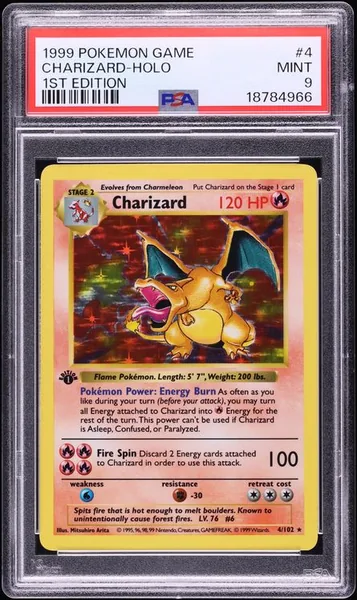
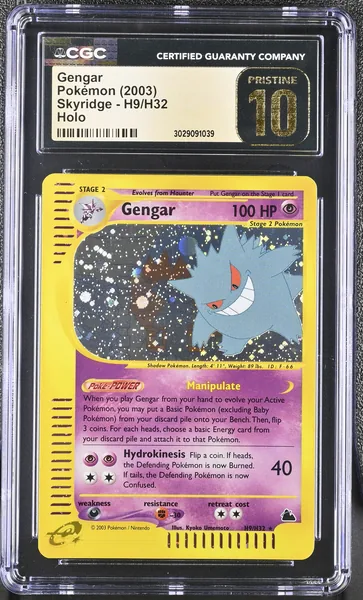
There's a small symbol in the corner of every Pokémon card—a circle, a diamond, or a star—and it tells you how rare that card is within its set.
Once you know the three basic shapes, reading one takes about five seconds.
A solid black circle means common, a solid black diamond means uncommon, and a solid black star means rare. Everything beyond that—double rares, illustration rares, hyper rares—builds on those three shapes. This guide covers all of them.
The Pokémon Company revised its rarity symbols when the Scarlet & Violet Series began, sharpening the differences between rarities and adding new rarity types on top. That's why cards from the last couple of years may look different from the ones you remember. Below is the full breakdown.
Table of Contents
- The Three Classic Symbols: Circle, Diamond, Star
- What Changed with Scarlet & Violet
- The New Scarlet & Violet Rarity Symbols
- Mega Evolution Series Rarities
- Promo Cards and Older Eras
- Full Pokémon Card Rarity Chart
- What Rarity Does (and Doesn't) Tell You
- Key Takeaways
- FAQ
The Three Classic Symbols: Circle, Diamond, Star
If you've ever held a Pokémon card, you've seen one of these three.
The Pokémon Company's own product guide marks common, uncommon and rare cards with a solid black circle, diamond and star—in that exact order of rarity.
Common — Black Circle
A solid black circle means the card is common. These are the cards you'll see most often in a pack.
Uncommon — Black Diamond
A solid black diamond means uncommon. A step up from common, but still a regular part of any pack.
Rare — Black Star
A solid black star means rare. One detail worth knowing: starting with Scarlet & Violet, every card of rare rarity or higher is foil, and a gray border lets the foil show through on rare cards.
The shapes get fancier as cards get rarer. Circle, diamond, star—keep that order in mind and the rest of this guide falls into place.
What Changed with Scarlet & Violet
A point a lot of people miss: those three classic symbols stayed exactly the same when the Scarlet & Violet Series began.
Pokémon added to the system rather than replacing it. Per the Scarlet & Violet aesthetic article on pokemon.com, the company updated its rarity symbols to show the differences between rarities more clearly and introduced brand-new rarity types that didn't exist before.
This isn't a whole new language. It's a few new words on top of circle-diamond-star.
The New Scarlet & Violet Rarity Symbols
These are the rarities that trip people up, so I'll take them one at a time.
Double Rare — Two Solid Black Stars
Two solid black stars means double rare. This one arrived with Scarlet & Violet, and it's where you'll find Pokémon ex—including Tera Pokémon ex, and Mega Evolution Pokémon ex in the Mega Evolution series.
Open an ex card with two stars instead of one, and that's what you're looking at.
Ultra Rare — Two Shiny Foil Stars
Two shiny foil stars means ultra rare. This covers the full-art foil versions of Pokémon ex and some Supporter cards.
The difference between double rare and ultra rare comes down to the foil. Double rare uses solid black stars; ultra rare uses shiny ones. Look closely.
Illustration Rare — One Shiny Gold Star
One shiny gold star means illustration rare. These are the alternate-art versions of common, uncommon and rare Pokémon, drawn as full-art foil illustrations.
The art direction is the draw. They often show the character's personality or its surroundings—the Pokémon isn't just posed, it's part of a scene.
Special Illustration Rare
Special illustration rare cards are the alternate-art versions of Pokémon ex or Supporter cards, also drawn as full-art foil illustrations. Pokémon doesn't describe this symbol in words, so I won't invent one—just know the symbol is shown on the card.
Hyper Rare — Three Shiny Gold Stars
Three shiny gold stars means hyper rare. These are full-art foil cards with gilded borders and accents.
One bit of trivia for older collectors: Pokémon says hyper rare cards were previously known as secret rare cards. So when someone mentions "secret rares," they mean what's now called hyper rare.
Shiny Rare and Shiny Ultra Rare
These two debuted in the Scarlet & Violet Paldean Fates set.
- Shiny rare is identified by a sparkling star.
- Shiny ultra rare is identified by a pair of sparkling stars.
ACE SPEC Rare
ACE SPEC rare is a rarity in Pokémon's card database. ACE SPEC cards were first introduced back in the Black & White Series, and they come with one rule that sets them apart: a deck may hold only a single ACE SPEC card in total.
Mega Evolution Series Rarities
The Mega Evolution series brought its own new rarities, and they produced some of the most striking cards in the game.
Mega Attack Rare — Pink and Green Stars
Mega attack rare cards are special full-art cards of Mega Evolution Pokémon ex in a bold, colorful style, featuring a large graphic of the Japanese attack name. They're identified by pink and green stars, and the rarity debuted with Ascended Heroes.
Mega Hyper Rare
Mega hyper rare cards are special full-art cards of Mega Evolution Pokémon ex with gold-etched holographic artwork. Pokémon doesn't describe this symbol in words—just know the symbol is shown on the card.
A Quick Word on the 30th Celebration Set
While we're on special cards: Pokémon's 30th Celebration set has a Pikachu rare card in every pack, plus Futuristic rare cards designed by the artist YOSHIROTTEN. Every card in a 30th Celebration pack is foil.
Promo Cards and Older Eras
Black Star Promos
Pokémon's promo sets are called Black Star Promos. From Black & White through Sword & Shield, their set symbol is a star. Scarlet & Violet and Mega Evolution promos use the codes SVP and MEP. Promo is one of the rarities listed in Pokémon's card database.
Older Rarity Names
Cards from earlier eras may carry rarity names that no longer show up in modern packs. Pokémon's card database still lists older names like:
- Rare Holo
- Rare Holo EX
- Rare Holo GX
- Rare Holo Lv.X
- Rare Prime
- LEGEND
- Rare BREAK
- Amazing
- Radiant Rare
The Sword & Shield base set card list marks rare, holo rare and ultra rare as three separate levels. One piece of history worth noting: the Black & White, Noble Victories ultra rare N was the first full-art Supporter card.
Full Pokémon Card Rarity Chart
Everything in one place.
I've listed the rarities where Pokémon describes the symbol in words, plus special illustration rare and Mega hyper rare, where the symbol is shown on the card but not described.
| Symbol (in words) | Rarity Name | What the Card Is |
|---|---|---|
| Solid black circle | Common | The most frequently found cards |
| Solid black diamond | Uncommon | A step up from common |
| Solid black star | Rare | Foil, with a gray border on rare cards |
| Two solid black stars | Double Rare | Pokémon ex, including Tera and Mega Evolution ex |
| Two shiny foil stars | Ultra Rare | Full-art foil Pokémon ex and some Supporters |
| One shiny gold star | Illustration Rare | Alternate-art full-art commons, uncommons, rares |
| Shown on the card | Special Illustration Rare | Alternate-art full-art Pokémon ex or Supporters |
| Three shiny gold stars | Hyper Rare | Full-art foil with gilded borders; once called secret rare |
| A sparkling star | Shiny Rare | Shiny Pokémon, debuted in Paldean Fates |
| A pair of sparkling stars | Shiny Ultra Rare | Shiny Pokémon, debuted in Paldean Fates |
| Pink and green stars | Mega Attack Rare | Full-art Mega Evolution ex with Japanese attack name |
| Shown on the card | Mega Hyper Rare | Full-art Mega Evolution ex, gold-etched holographic |
The pattern holds down the chart: more stars, shinier stars, and fancier colors as you climb the rarity ladder.
What Rarity Does (and Doesn't) Tell You
This is where a lot of people get the wrong idea, so I'll be direct about it.
A rarity symbol tells you how rare a card is within its set. It does not promise you a specific card in any given pack. Pokémon states plainly that it cannot promise any specific Pokémon or card type in a given pack.
For reference, a Scarlet & Violet era booster pack holds 10 game cards: 4 commons, 3 uncommons and 3 foils (at least one of which is rare or higher), plus 1 Energy card and 1 code card.
Rarity and Value Are Not the Same Thing
People tend to treat the rarity symbol like a price tag. It isn't one.
Pokémon says it does not track the secondary-market value of its cards. That value comes from the wants and needs of the Pokémon community, not from the company. A rarity symbol is a solid starting point for identifying a card, but it's not the whole story.
For a sense of which cards collectors actually care about, our rundown of the most valuable Pokémon cards is a better guide than any single symbol.
Key Takeaways
- Circle, diamond, star = common, uncommon, rare. That's your foundation.
- More stars = rarer. Double rare (two black stars), ultra rare (two shiny stars), hyper rare (three gold stars).
- Gold stars signal the art cards—illustration rare (one gold star) and hyper rare (three gold stars).
- Scarlet & Violet kept the three classics and added new rarities on top.
- Mega Evolution series brought mega attack rare (pink and green stars) and mega hyper rare.
- A rarity symbol identifies a card's tier within its set—it doesn't promise what's in a pack, and it isn't a price.
A Quick Note Before You Go
After a few dozen cards, reading these becomes automatic.
You'll glance at a corner and know: circle means common, three gold stars means you've found something good.
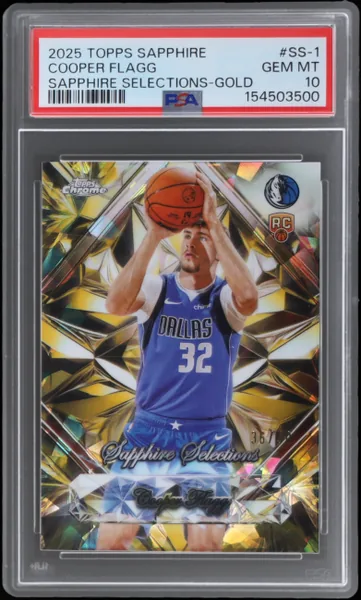
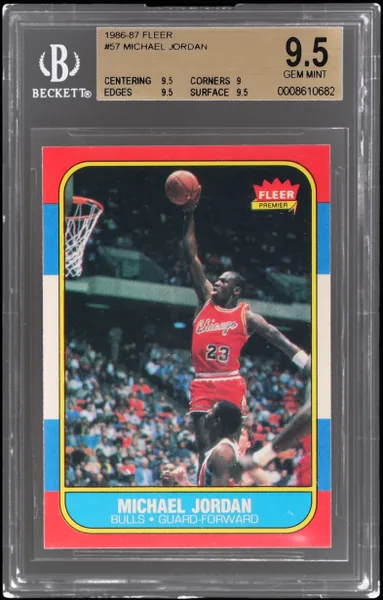
If you care about condition as much as rarity, graded cards take the guesswork out—the grade sits right there on the label. Our guide comparing PSA vs. CGC vs. BGS vs. SGC breaks down the main grading companies and how they differ.
Graded Pokémon cards from every era are on Grailday, with the grade on each label. You can see how it works if you're curious.
Questions
- What does the star mean on a Pokémon card?
- A single solid black star means the card is rare. Starting with Scarlet & Violet, rare cards and anything higher are foil, with a gray border letting the foil show through.
- What's the difference between double rare and ultra rare?
- Double rare uses two solid black stars, while ultra rare uses two shiny foil stars. Double rare is where you'll find Pokémon ex, and ultra rare covers the full-art foil versions of Pokémon ex and some Supporter cards.
- What is a special illustration rare?
- Special illustration rare cards are alternate-art, full-art foil versions of Pokémon ex or Supporter cards. Pokémon doesn't describe the symbol for this rarity in words—just know the symbol is shown on the card.
- What does hyper rare mean?
- Hyper rare cards show three shiny gold stars and are full-art foil cards with gilded borders and accents. Pokémon notes that hyper rare cards were previously known as secret rare cards.
Hold a real graded card.
Browse the Market. Every card you get is held for you in a secure U.S. vault.