Online Card Packs and Vaulted Trading Cards Explained
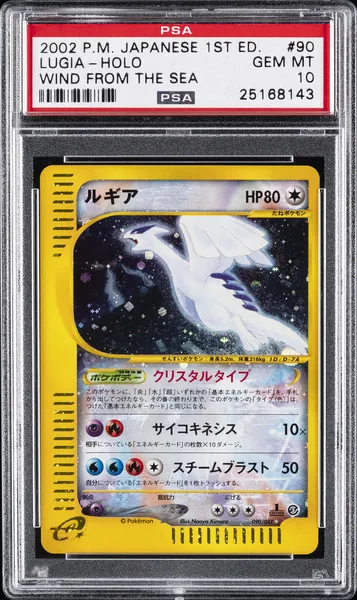
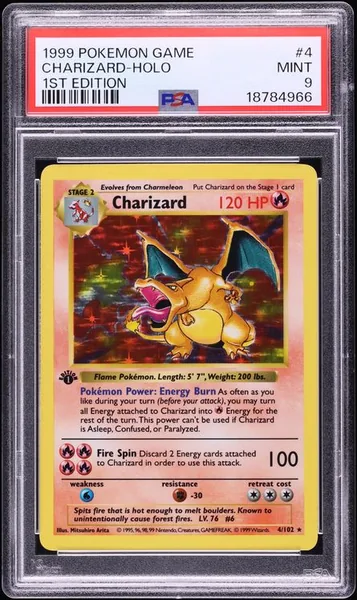
Vaulted card packs reveal a real graded slab held in a U.S. vault, ready to keep or ship home.
What vaulted packs are
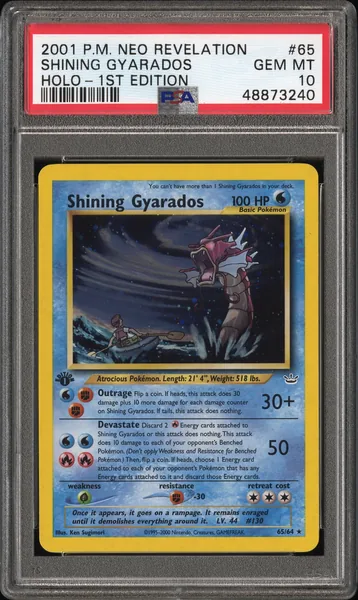
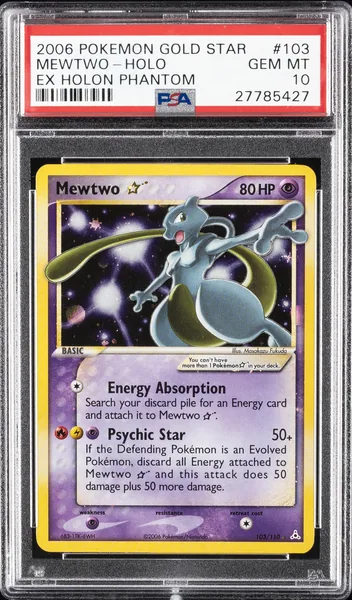
Vaulted online card packs pair an on-screen pack reveal with a real, physical graded slab held in secure U.S. vault custody. Unlike video-game card apps whose items exist only as pixels on a server, vaulted trading card platforms stock tangible encapsulated slabs from PSA, CGC, BGS and SGC inside climate-controlled U.S. vaults before a vaulted pack goes live, while lower-priced raw entry packs fulfill raw cards upon shipping request.
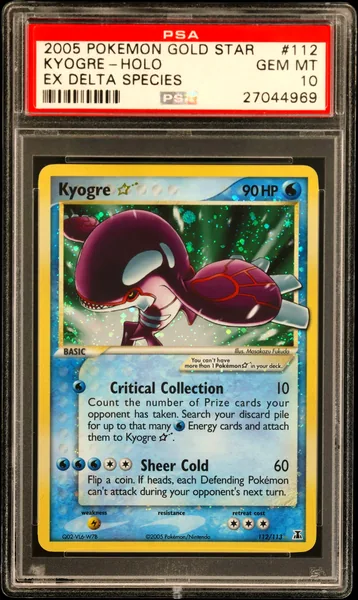
When a buyer purchases a vaulted pack or a vaulted single in the Market, ownership of a specific barcoded physical slab is assigned to that buyer's account right away. Keeping the physical slab in professional custody removes the two slowest bottlenecks of traditional mail-order collecting: waiting weeks for individual sellers to drop envelopes in the mail, and risking corner dings from poorly packed bubble mailers on every trade. Whenever an owner decides a slab belongs on a home display shelf, they place a delivery request and the exact holder in the photograph ships to their door. For a step-by-step look at account custody, see how it works.
How card vaults work
A dedicated trading card vault operates much more like an archival museum storage room than a standard fulfillment warehouse. Graded acrylic cases, holder flips and autographs react poorly to heat swings, high humidity and ultraviolet light: prolonged humidity can haze labels or warp card stock, while UV exposure fades autographs and yellows vintage borders. Commercial card vaults maintain steady temperature and relative humidity bands year-round inside windowless, access-controlled rooms monitored by 24-hour cameras and motion sensors.
Every incoming graded slab goes through a structured intake workflow before entering vault inventory. Staff inspect the outer acrylic holder for cracks or tampered sonic welds, confirm the certification number against the grader's database, photograph the front and back under diffused studio lighting, and assign a unique inventory barcode tied to a numbered tray slot. Because each slab has its own bin coordinate and studio scan, buyers across Pokémon, One Piece and sports categories can inspect centering, sub-grades and label details on screen before deciding whether to keep the slab stored or ship it home.
Reading posted card tiers
The clearest dividing line between transparent online card packs and informal social-media repack boxes is what the page discloses before checkout. Unregulated hobby repacks sold through live video streams frequently hide how many boxes were made, which cards remain in the run, and how card valuations were assigned. Reputable online pack platforms publish structured tier breakdowns directly on the product page prior to purchase.
Before buying any online pack, check four concrete disclosures. First, read the product's card type line to see whether it holds graded slabs, raw cards or sealed items. Second, inspect the posted value tiers so you know the exact floor and ceiling bands represented in that lineup rather than judging the whole product by one headline grail photo. Third, check which grading companies are eligible in graded tiers, since a PSA 10, a BGS 9.5 and a CGC Pristine 10 carry different collector profiles and centering standards. Fourth, review outbound shipping fees, supported delivery countries and carrier timelines so there are no surprises when taking physical delivery. Transparent platforms also keep product rules, age requirements and refund policies easy to read in plain language rather than burying key custody rules in footnotes.
Vaulted pack checklist
| Check | What to verify | Why it matters |
|---|---|---|
| Physical backing | Real graded slab in vault custody | Confirms every reveal is a tangible card |
| Posted tiers | Published price bands before checkout | Shows the exact card range in advance |
| Cert details | Grader, numeric grade and serial number | Lets buyers verify the slab independently |
| Home shipping | Tracked carrier delivery and packaging | Confirms you can take physical possession |
Standard buyer verification checks across vaulted trading card platforms.
How major platforms compare
Several distinct platforms now serve collectors looking for vaulted cards and online packs, each built around a different slice of the hobby. GameStop launched its GameStop Power Packs program around multi-tier graded Pokémon and sports packs starting at $25, pairing revealed slabs with vault custody. Arena Club built its catalog primarily around sports cards and its own grading slab alongside major third-party holders, pairing Slab Packs with digital showroom albums. Courtyard popularized vending-machine-style graded pack reveals across Pokémon, comics and sports cards backed by vaulted custody.
Specialty retail platforms differentiate themselves by game depth, entry price points and single-card browsing. Some services start pack tiers at $25 or $50 and focus almost exclusively on slabs, while broader catalogs span lower-cost raw entry packs for casual collecting all the way up to multi-hundred-dollar graded tiers alongside a browsable single-card marketplace. Game coverage also varies widely: sports-first sites often carry deep baseball, basketball and football inventory while skipping Japanese anime card games, whereas TCG-focused platforms emphasize top graded Pokémon cards, One Piece Manga Rares and modern Special Illustration Rares. Comparing entry prices, game selection across Pokémon, One Piece, basketball, baseball and football, and direct single-card availability lets you pick the format that matches how you collect.
Vault storage and shipping
Leaving a graded slab inside a secure U.S. vault makes practical sense while you are still building a set run or consolidating multiple slabs into a single outbound parcel. Bundling several holders into one shipment cuts per-card packaging overhead and reduces how many separate carrier boxes travel through sorting hubs during busy holiday seasons. Stored slabs stay protected from household sunlight, pet or water accidents and case scratches until your display shelf or storage case is ready.
Shipping home is the right move whenever a card is a centerpiece for your personal display case, a gift, or a slab you plan to bring to an in-person card show. Once a parcel arrives, inspect the acrylic holder and verify the label against our card and slab verification guide so you know every security mark on your holder. Always check shipping timelines and carrier tracking details in advance so someone is home to receive high-tier deliveries promptly.
Questions
- Are vaulted trading cards real physical cards or digital-only collectibles?
- Vaulted trading cards are tangible, factory-printed physical cards encapsulated by PSA, BGS, CGC or SGC and stored inside a secure U.S. vault facility. The screen image is a high-resolution scan of that specific barcoded slab, which you can hold in vault custody or request shipped to your home address.
- Why are major trading card vaults located in states such as Delaware?
- Many dedicated collectibles vaults operate in Delaware or similar logistics hubs because purpose-built commercial storage there pairs climate-controlled, UL-rated security rooms with direct carrier access along the East Coast corridor.
- Can I verify a vaulted slab's certification number on the grader's website?
- Yes. Every graded card in a legitimate vault displays its PSA, CGC, BGS or SGC certification number on the holder flip. Entering that number on the grading company's official cert lookup page confirms the card's year, set, card number, numeric grade and high-resolution grader scan.
- What happens when I request physical shipping for a vaulted card?
- When you submit a delivery order for a vaulted slab, vault staff retrieve your exact barcoded holder from its storage bin, pack it in protective cushioning inside a rigid mailer or box, and hand it to a tracked carrier with a tracking number sent to your account.
- Do online card packs always contain graded slabs or can they hold raw cards?
- It depends on the specific product line. Higher-priced vaulted packs hold pre-encapsulated PSA, BGS, CGC or SGC slabs stored in a U.S. vault, while lower-priced entry packs across the hobby use raw trading cards fulfilled upon shipping request rather than pre-vaulting individual low-cost singles; reputable platforms label graded versus raw clearly on every product page.
Real trading card packs, ready to open.