How to Check a PSA Cert Number: Step-by-Step Slab Lookup and Holder Verification
Enter the 8-to-10 digit label number at psacard.com/cert, match every card field, compare SecureScan photos and inspect the sonic weld.
Reading the PSA flip
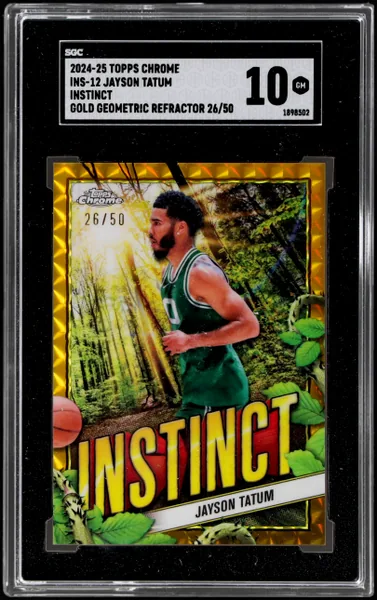
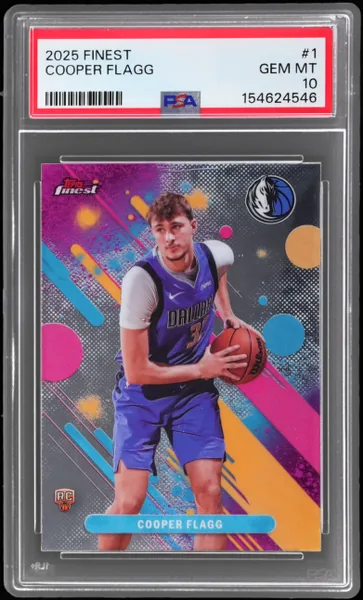
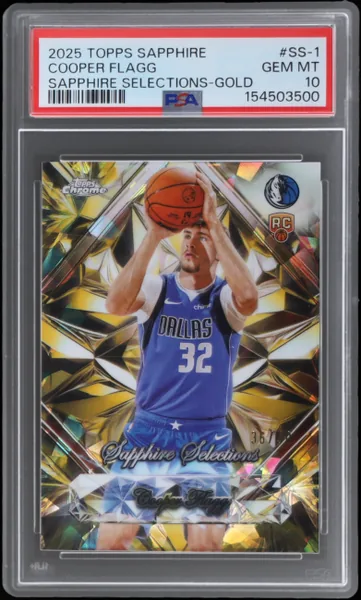
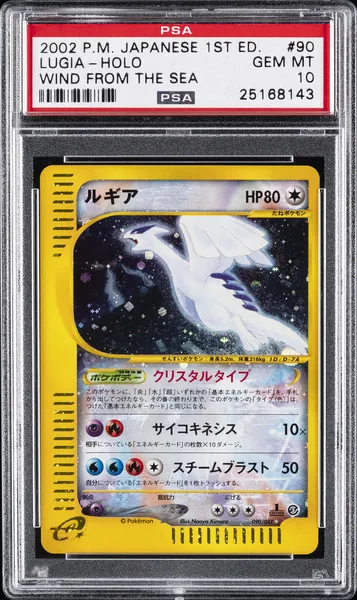
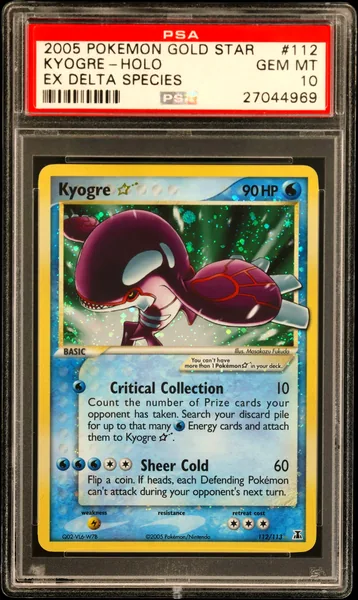
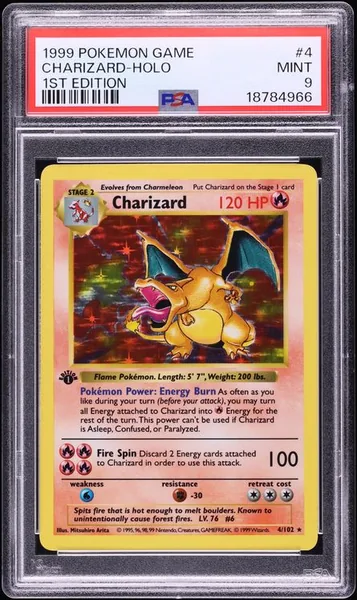
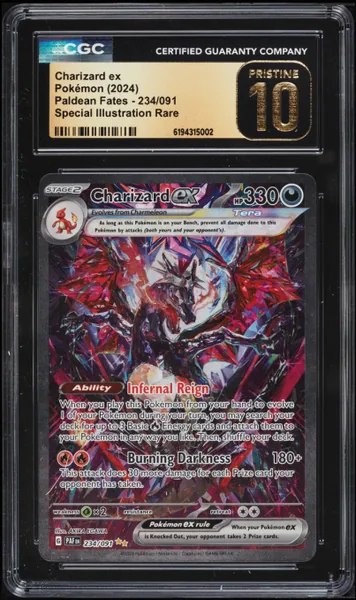
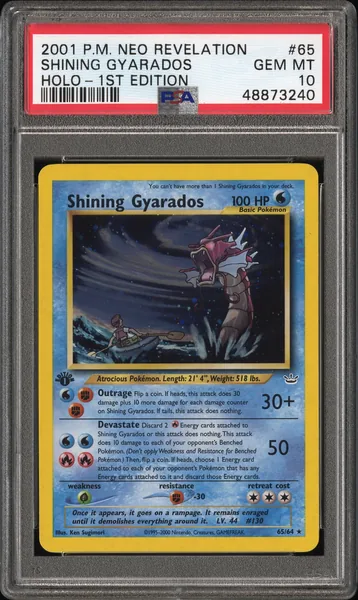
Every trading card encapsulated by PSA receives a permanent 8-to-10 digit certification number printed on the bottom-right corner of the front red-bordered flip, directly opposite the barcode. Reading the four-line label accurately before typing prevents false mismatches: line one lists the release year, game or brand and language; line two states the subject name and grade abbreviation (such as GEM MT); line three prints the parallel or subset variety beside the numeric score; and line four pairs the barcode, center hologram and certification number.
Be careful never to confuse the card's checklist number on line one — such as 199 on a Charizard ex — with the eight-to-ten digit certification number on line four. Slabs encapsulated from 2020 onward also carry a matrix QR code on the back flip below the dual silver PSA holograms, matching the verification standards explained on our card verification page and in our PSA 10 vs BGS 9.5 vs CGC Pristine 10 comparison.
Older vintage PSA holders from the 1990s and 2000s use seven-to-eight digit serial strings starting with zeros or low integers and lack front center holograms or reverse QR codes, yet every genuine legacy number still resolves inside the modern PSA database.
Matching every database field
Always open psacard.com/cert directly in your own browser or scan the reverse QR code into the official PSA domain — never click a third-party verification URL pasted inside an unfamiliar listing message, since phishing sites mimic grader lookup screens. Entering the digits requires no account or fee and returns the permanent certification record immediately.
Once the record loads, verify every single field line by line rather than glancing only at the player or character name. Confirm that the release year, set title, card number, parallel designation (such as Shadowless, Refractor or Special Illustration Rare) and numeric grade including any qualifier (OC, MK or ST) match the physical flip word for word, and note the linked count in our PSA pop report guide.
Check autograph dual-grade records twice as carefully: a genuine PSA/DNA dual slab lists both a Card Grade and an Auto Grade in the database, whereas single-grade autograph authentication uses an Authentic or numeric auto-only format.
Comparing official slab scans
Because certification numbers appear publicly in marketplace photos, sophisticated counterfeiters copy genuine serial numbers from real PSA 10 slabs onto forged paper labels. Your strongest defense against a cloned number is PSA's SecureScan archive, which publishes high-resolution front and back photographs taken at the moment of encapsulation on modern and high-tier submissions.
Zoom in on the official PSA scan side by side with the slab in hand and check unique physical fingerprints: exact left-to-right border centering, holofoil star or speckle positions, autograph ink stroke endings, back corner fiber cuts and how the printed letters align above the barcode. If the cert number matches the database but the centering or holo pattern differs from PSA's archived scan, walk away immediately.
Pay equal attention to the font kerning on the red label inside the SecureScan photo — counterfeit inserts almost always print the zero, seven or barcode bars with slightly thicker ink weight or uneven vertical spacing compared to PSA's thermal printers.
Checking physical holder security
When an older generation PSA holder predates archived SecureScan photography, authenticating the physical acrylic shell and security flip closes the gap. Genuine post-2017 PSA labels incorporate a dual-tone LightHouse foil emblem that switches brightness cleanly as you tilt the slab under a desk lamp, paired with fine fugitive-ink background wave patterns engineered to smear if washed or altered.
Hold the label up to a bright backlight: authentic PSA inserts allow faint reverse printing to show cleanly through single-layer stock, whereas glued two-piece counterfeit flips look opaque and muddied. Finally, run a 10x loupe around all four outer acrylic edges — a factory PSA ultrasonic weld forms a uniform, crisp seam, while cracked-and-reglued tampering leaves cloudy white frosting, brittle corner fractures or uneven ridge gaps covered further in our counterfeit card and slab guide.
Also confirm the raised molded "PSA" lettering embossed into the lower-right front acrylic corner of modern holders, checking that the plastic surface feels glass-smooth rather than soft or flexible.
Checking CGC and BGS certs
Two special lookup statuses appear regularly during checks. A "Private Set Registry" badge simply means a registered owner added that slab to a private PSA Registry showcase — the certification remains valid. By contrast, a deactivated or not-found status on an intact holder signals that PSA retired that number during an official crack-out or review, meaning the physical case in front of you should no longer exist.
Apply the exact same four-point verification habit when inspecting slabs from other major grading companies compared in our PSA vs CGC vs BGS vs SGC overview. CGC Cards provides free high-resolution slab imaging at cgccards.com/certlookup, while Beckett's lookup at beckett.com/grading/card-lookup verifies all four subgrades and confirms whether the inner metallic flip should be silver, gold or pristine black.
Official grader cert lookups
| Grader | Lookup path | Key verification check |
|---|---|---|
| PSA | psacard.com/cert | Match SecureScan front/back photos and LightHouse foil |
| CGC Cards | cgccards.com/certlookup | Verify full-slab scans, hologram and clear case weld |
| Beckett (BGS) | beckett.com/grading/card-lookup | Confirm all four subgrades and silver/gold/black flip |
From official PSA, CGC Cards and Beckett verification portals, checked Nov 17, 2026.
Questions
- Where is the PSA certification number printed on a graded slab?
- The 8-to-10 digit PSA certification number sits on the bottom-right corner of the front flip directly across from the barcode. Modern PSA holders encapsulated from 2020 onward also print a scannable QR code and repeat the number on the reverse label.
- Does a valid PSA cert lookup prove that a physical slab is authentic?
- By itself, no. A database match confirms that PSA issued that serial number for that card and grade, but counterfeiters routinely copy real public numbers onto fake labels — making SecureScan image comparison and holder inspection essential.
- What does a deactivated or missing PSA certification number mean?
- When PSA removes a card from its case for regrading or crossover review, it retires the old serial number. If a seller offers an intact slab whose cert shows as deactivated or absent, treat the holder as compromised or counterfeit.
- How do you verify CGC and Beckett graded card serial numbers?
- Enter CGC serial numbers free at cgccards.com/certlookup to view grader notes and full-slab photos, and check Beckett BGS serial numbers at beckett.com/grading/card-lookup to verify all four subgrades and matching silver, gold or black label tiers.
Real trading card packs, ready to open.