Card Grading Costs and Turnaround Times: PSA, CGC, BGS, SGC and TAG Fees
Open tiers start at $17 at CGC, $29.95 at TAG, $50 at SGC, $59.99 at PSA and $79.95 at BGS.
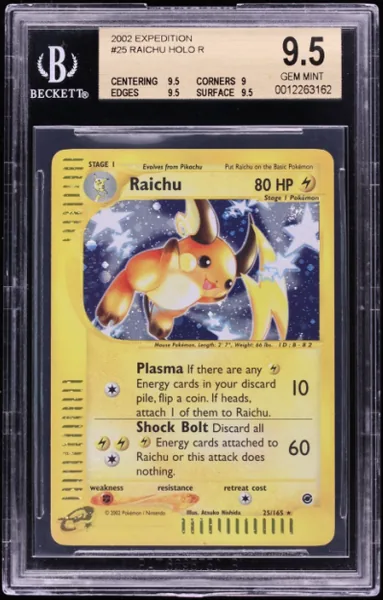
Fees across five graders
Grading a single trading card costs between $17 and $79.95 at the lowest open tiers across the five major grading companies, before insured shipping and return handling. Every grader structures its price sheet as a ladder of service levels tied to turnaround speed and maximum post-grading card valuation, as summarized on our five-grader comparison.
Among open tiers checked directly from each company's fee schedule, CGC starts lowest at $17 per card on its 25-card Bulk tier and offers faster single-card tiers up to its $300 two-day WalkThrough level. TAG opens at $29.95 per card with a 10-card minimum at an estimated 90 business days and scales to $299.95 for Premier three-to-five-day service. SGC charges $50 per card on its Standard tier for cards capped at $1,500 and offers $150 Expedited two-to-three-day service. PSA's lowest open tier sits at $59.99 on Standard, while urgent high-end submissions run up to $999 on Premium 1. Beckett's open Express tier sits at $79.95 per card with four printed sub-grades included, giving thick-stock patch collectors four category scores without adding an extra sub-grade surcharge on top of the base service tier.
Open grading tiers
| Grader | Lowest open tier | Published wait | Fastest tier |
|---|---|---|---|
| CGC | $17 Bulk, 25-card min | About 150 working days | $300 WalkThrough, 2 days |
| TAG | $29.95, 10-card min | 90 business days | $299.95 Premier, 3 to 5 days |
| SGC | $50 Standard | 40+ business days | $150 Expedited, 2 to 3 days |
| PSA | $59.99 Standard | 70 to 80 business days | $999 Premium 1, 5 to 7 days |
| BGS | $79.95 Express | 15 business days | $79.95 Express, 15 days |
From PSA, CGC, Beckett, SGC and TAG fee schedules, checked Nov 4, 2026.
Declared limits and minimums
Every grading tier carries a declared valuation cap, which is the maximum post-grading replacement amount the company's insurance covers while your card is in its facility and return parcel. You enter a declared figure for each card on the submission form based on realistic graded comparables, not raw card prices. If a raw card would become a four-figure grail in a 10 holder, submitting it under a low-cap bulk tier can trigger a mandatory tier adjustment before the slab ships back.
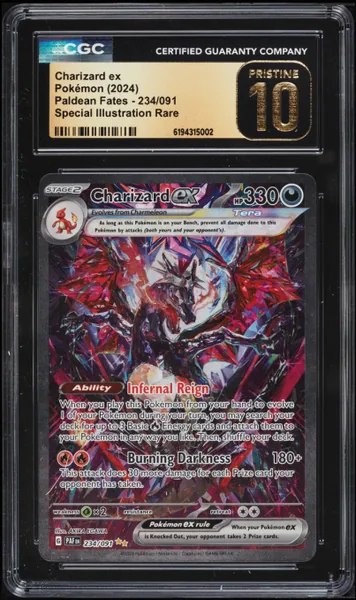
At PSA and CGC, if a card earns a top grade such as PSA 10 or CGC Pristine 10 and its post-grading market tier exceeds the ceiling of the service level you selected, billing pauses until you approve the difference up to the appropriate higher tier. Grading companies review recent public comparables for that exact grade before invoicing a tier adjustment, and they never charge an adjustment when a card grades lower than expected and stays beneath your original cap. Bulk minimums add a second hurdle for smaller collections. CGC's $17 Bulk tier requires at least 25 trading cards in one box, and TAG's $29.95 entry tier requires at least 10 cards. Many local hobby shops consolidate customer cards into monthly group submissions to clear 10-card and 25-card minimums, though group orders add dealer handling fees and stretch wait times until the entire shop batch finishes grading. If you only hold two or three clean Pokémon cards or sports rookies, you either step up to a higher single-card tier or hold raw copies until you build a full submission batch.
Turnaround times in practice
Published turnaround times count working business days only, excluding weekends, holidays, postal transit and intake receiving queues. When a fee schedule lists 70 to 80 business days or 90 business days, divide by five to convert business days into calendar weeks: 70 to 80 business days at PSA Standard equals roughly 14 to 16 calendar weeks, or three and a half to four months from package check-in to slabbing, while 90 business days equals roughly 18 calendar weeks.
Intake lag is the hidden variable that catches first-time submitters off guard. The turnaround clock does not start the day you drop a box at the post office or even the day carrier tracking marks the parcel delivered at the receiving dock. It starts only after warehouse staff open the outer shipping box, scan the barcoded submission form into the grading queue and verify card counts. During major set launches in Pokémon or basketball, box-opening backlogs can add one to three weeks before day one of the published estimate begins. Express tiers such as CGC WalkThrough (two working days), SGC Expedited (two to three business days) and PSA Premium 1 (five to seven business days) use dedicated priority intake lanes that bypass standard receiving queues.
Shipping and handling costs
The per-card grading fee is never the final out-of-pocket number on a small order. Every submission requires semi-rigid Card Saver holders, penny sleeves, cardboard stiffeners, outbound tracked shipping with signature or insurance, a per-order processing fee at several graders and insured return carrier postage. Return shipping alone typically runs $20 to $40 on a standard insured box and climbs higher on four-figure declared orders that ship via registered mail or overnight courier.
Because outbound and return postage are largely fixed per box, single-card submissions carry steep effective costs. Sending one card to PSA at $59.99 plus $12 outbound tracked postage and $25 insured return shipping puts your real all-in cost near $97 for that single slab. Spreading those same two-way shipping charges across a 10-card or 25-card submission drops the postage share to roughly $2 to $4 per card. Always calculate your all-in cost per slab, including supplies and two-way insured shipping, before mailing raw singles out for encapsulation.
Submitting raw versus slabs
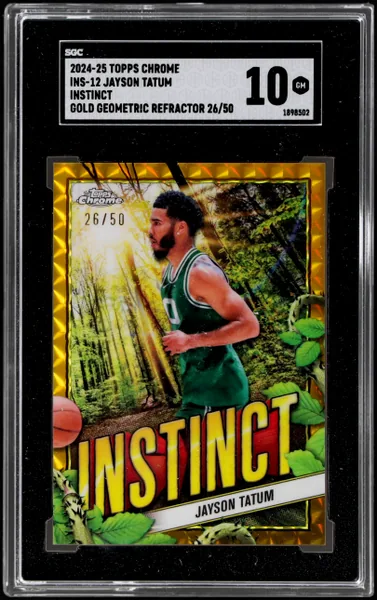
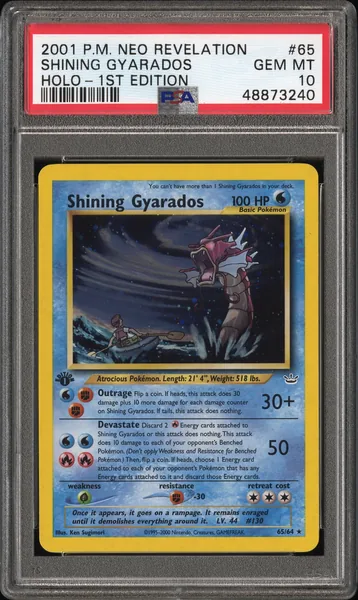
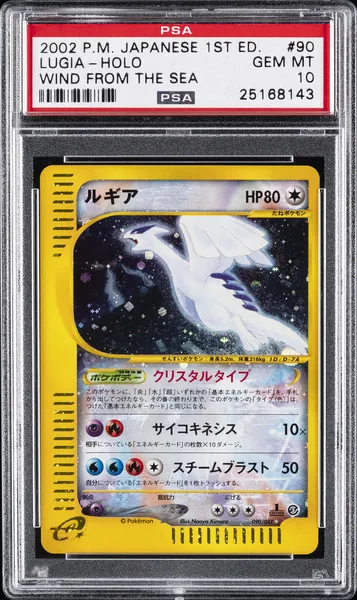
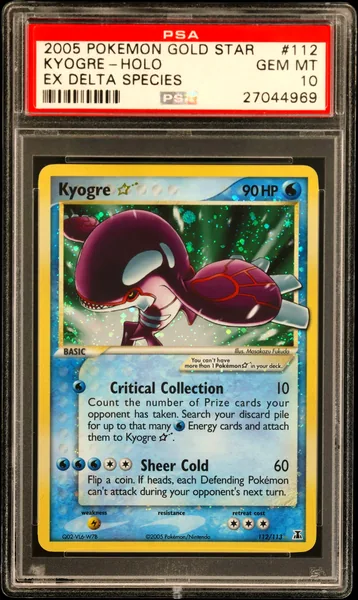
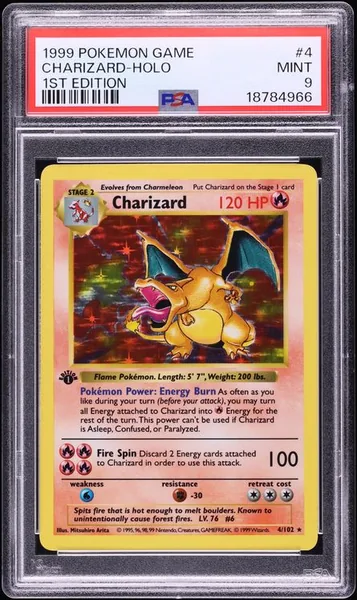
Grading raw cards from your own binder makes the most sense when you hold scarce vintage holos, serial-numbered rookie parallels, on-card autographs or pack-fresh Japanese Special Illustration Rares that you have already inspected under bright angled light for centering, corner specks and surface print lines. For cards on our top graded Pokémon cards list, authenticating condition in a tamper-evident holder protects the card permanently and documents its exact edition.
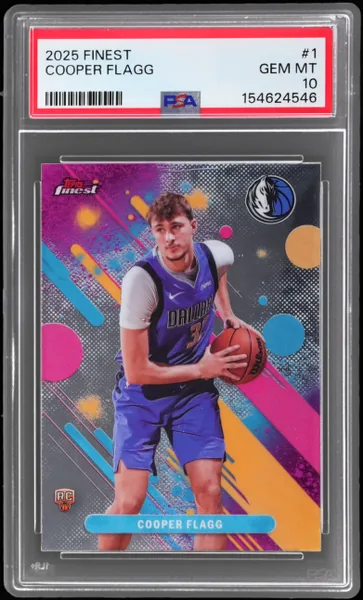
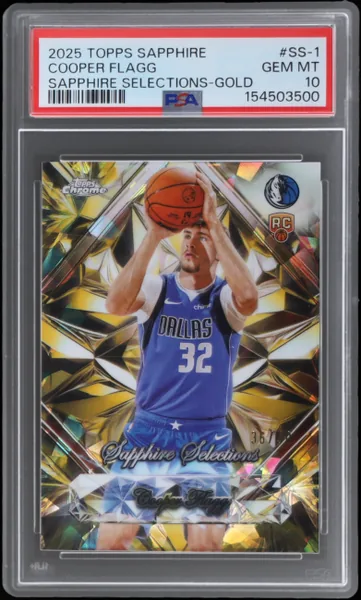
For modern base cards, common inserts or raw singles that already show off-center borders or a white corner dot, paying $40 to $95 all-in plus waiting two to six months rarely pencils out compared to picking up an already-slabbed copy. When you browse the Market, the grading fee, multi-month queue and condition guesswork are already finished: you can inspect the exact PSA, BGS or CGC slab photo, read the certification number on the label and either hold it or arrange tracked delivery under our shipping policy.
Questions
- Do grading companies charge extra for oversized cards or thick patch holders?
- Yes. Standard submission tiers cover regular 2.5-by-3.5-inch cards up to standard patch thickness. Tallboys, jumbo promos, pack-sealed cello cards and ultra-thick booklet slabs require oversized holders, which carry separate per-card surcharges and return in larger shipping boxes.
- How does dual autograph and card grading affect the submission fee?
- Cards with pack-certified manufacturer autographs from 1998 onward usually grade under regular card tiers at PSA and CGC unless you request a separate dual autograph numerical grade. Aftermarket in-person signatures require separate autograph authentication, which adds a second fee and routes the order through signature specialists.
- Are grading fees refunded if a card comes back altered, trimmed or below expected grade?
- No. Grading fees pay for the authentication and inspection labor, not a target grade outcome. If a card grades lower than hoped or receives a non-numeric evidence-of-trimming or altered-stock designation, the full submission fee and return shipping still apply.
- Does joining a paid collector club lower per-card grading fees?
- PSA Collectors Club and CGC paid memberships unlock bulk submission tiers or apply small tier discounts across large orders. A paid annual membership only saves money if you submit dozens of cards per year while bulk tiers are open; for one to five cards, non-member single-card tiers or buying already-graded slabs cost less overall.
Real trading card packs, ready to open.