Hobby Box vs Retail Blaster: Mega, Hanger, Booster Bundle and Display Formats
Sports hobby boxes carry full autograph checklists and low numbered parallels, while retail blasters and megas offer lower cost and exclusive foils.
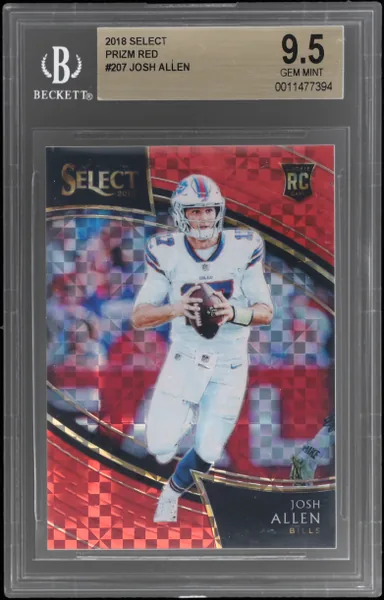
Walk into a local card shop or browse big-box shelves and the same expansion name appears across half a dozen sealed box shapes: Hobby, Hobby Jumbo, First Off The Line (FOTL), Retail Blaster, Mega Box, Hanger, Booster Box, Booster Bundle and Elite Trainer Box. Because sports publishers and trading card games configure those boxes on completely different rules, knowing what each format contains keeps you from paying hobby prices for base cards or looking for hobby-only autographs inside retail boxes.
Sports hobby and first-run boxes
Across Topps, Bowman, Panini and Upper Deck football, baseball and basketball sets, the Hobby Box is the flagship collector format sold through hobby shops and direct publisher releases. As Panini documents in its official format definitions whitepaper, hobby configurations carry the deepest parallel checklists, low serial-numbered color parallels and stated box-level autograph or relic allotments, such as 2025-26 Topps Chrome Basketball Hobby boxes pairing 20 four-card packs (80 cards) with one autograph, or Hobby Jumbo (HTA) boxes reshuffling into 12 eleven-card packs with three autographs.
First Off The Line (FOTL) boxes represent a limited pre-release hobby batch sold directly by the publisher ahead of street date. FOTL boxes match standard hobby pack counts while substituting one or two FOTL-exclusive low-numbered parallels (such as Shimmer, Swirl or Stars & Stripes finishes) that cannot be found in regular hobby cases. In Upper Deck Hockey, Flagship Hobby boxes similarly anchor the serial-numbered Exclusives (/100), High Gloss (/10) and full Young Guns parallel checklists.
Sealed box formats compared
| Sealed format | Channel | Core contents & draw |
|---|---|---|
| Sports Hobby & FOTL | Card shops & direct | Stated autographs/relics & low serial parallels |
| Retail Blaster Box | Big-box retail | 5–8 packs with retail-only Laser, Disco or Sparkle foils |
| Retail Mega Box | Big-box retail | Mid-size box with bonus Mojo or Mega parallel packs |
| TCG Booster Box | Hobby & game stores | 36 Pokémon packs or 24 One Piece packs per display |
| Pokémon Booster Bundle | Hobby & retail | 6 identical booster packs, key on special sets |
From official Topps, Panini, Pokémon Center and Bandai product sheets, checked Nov 17, 2026.
Blasters, megas and hangers
Retail formats supply big-box department chains, pharmacies and supermarkets at approachable shelf prices. A Retail Blaster Box is a compact cube holding five to eight packs (around 24 to 64 total cards depending on the brand, such as six five-card packs in Panini Prizm Basketball blasters). Hanger Boxes and peg-hook Fat or Cello Packs strip away outer display cardboard to offer the lowest cost per base card for set builders.
The format name that misleads beginners most often is the Mega Box. "Mega" means larger than a standard retail blaster, not larger than a hobby box. A Bowman Chrome or Panini Prizm Mega Box sits in the middle of the retail shelf, holds fewer total cards than a hobby box and rarely carries full hobby autograph checklists, instead bundling one or two silver foil packs of Mega-exclusive Mojo or geometric parallels.
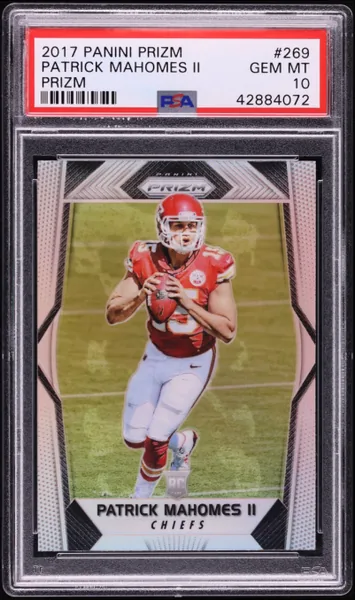
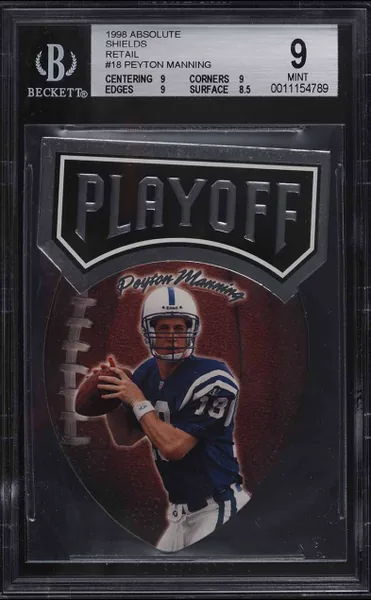
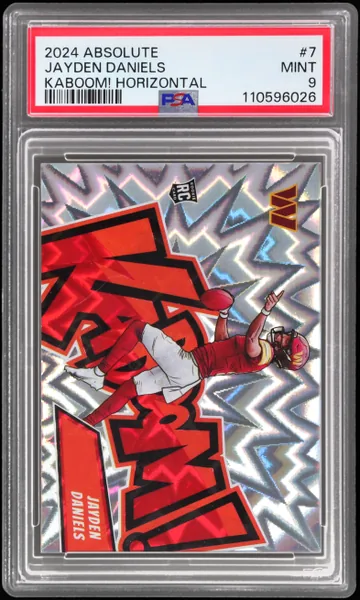
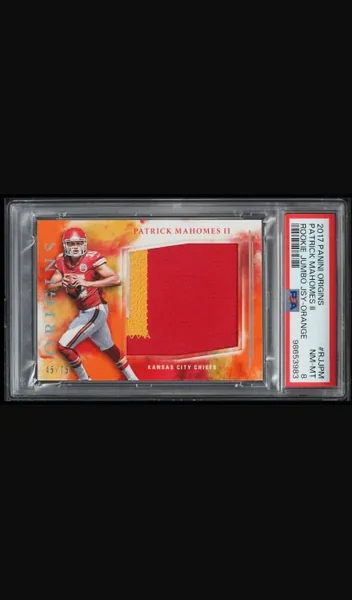
Top Football cards
Exclusive parallels vs autos
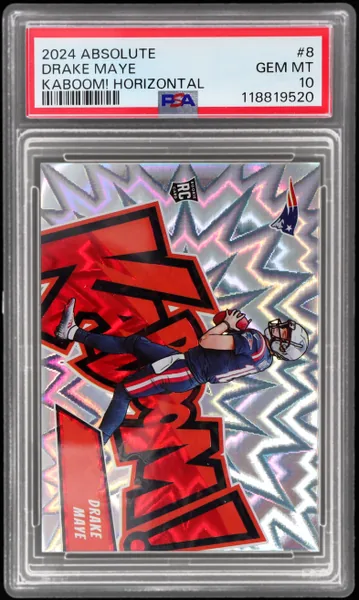
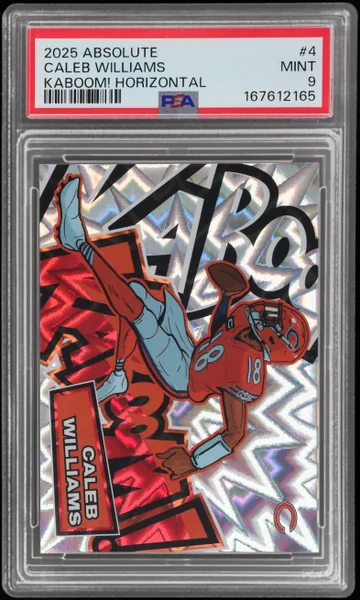
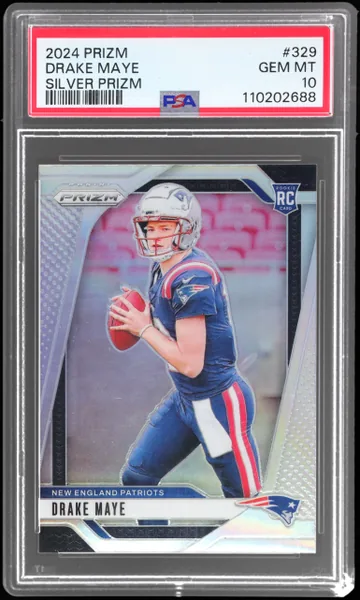
Sports manufacturers keep both channels active by locking distinct parallels to each lane. Hobby boxes hold true Gold /50, Orange /25, Black 1/1, Superfractor 1/1 and full on-card rookie autograph checklists. Retail blasters, megas and hangers counter with unnumbered or format-specific color finishes, such as Panini Prizm Laser, Green, Pink Ice and Disco parallels, Topps Series 1 Royal Blue foils, or 2026 Topps Heritage Dark Green, Pink, Light Purple and Burgundy Sparkle variants, alongside cross-channel case inserts covered in our NFL Downtown and Kaboom cards guide.
Because sports publishers adjust pack counts, parallel names and box configurations from one season to the next, always read the printed side panel of the exact release year before buying sealed sports boxes so you know which parallels and insert tiers are active in that specific box shape.
Booster boxes vs bundles
Trading card games follow cleaner pack math than sports cards. Unlike sports sets that print separate hobby packs and retail packs with different checklists, standard English Pokémon booster packs (10 game cards plus 1 Basic Energy and 1 TCG Live code card) and One Piece booster packs (12 cards in English, 6 cards in Japanese) carry identical card checklists whether the pack came from a full display box, a sleeved single or a tin.
For main-line Pokémon expansions tracked on our Pokémon TCG release schedule, a sealed Booster Display Box holds 36 packs (360 game cards) at the lowest per-pack cost, while an English One Piece Booster Box holds 24 packs. A Pokémon Booster Bundle holds 6 identical packs (60 game cards) with zero plastic accessories, serving as the cleanest compact entry point, especially on special expansions like Scarlet & Violet 151, Prismatic Evolutions, Ascended Heroes and 30th Celebration, which do not release 36-pack English booster boxes at all.
Trainer boxes and formats
Sitting between the 6-pack bundle and the 36-pack display, a Pokémon Elite Trainer Box (ETB) pairs 9 booster packs (8 or 9 depending on main versus special set, or 11 packs in Pokémon Center Exclusive ETBs with an exclusive stamped illustration promo) alongside 65 card sleeves, damage dice, dividers, a 45-card Energy brick, a printed player's guide with a visual card checklist, and a rigid card storage box.
Matching format to goal is straightforward: choose Hobby or FOTL boxes when targeting on-card rookie autographs and low serial numbers in sports; choose Blasters, Megas or Hangers for lower per-card set building and retail-only parallels; choose 36-pack Pokémon or 24-pack One Piece Booster Boxes for pure pack volume on main sets; and choose 6-pack Booster Bundles or Pokémon Center ETBs on special expansions.
Questions
- What is the main difference between a hobby box and a retail blaster box?
- Hobby boxes are distributed through card shops and direct publisher releases with full parallel checklists and box-level autograph or memorabilia allotments, while retail blasters sold at big-box stores hold fewer packs at an entry shelf price and feature retail-exclusive foil parallels.
- Is a mega box larger than a hobby box?
- No. Despite the name, a retail mega box sits between a blaster box and a hobby box in price and total pack count, typically including one or two bonus packs of exclusive Mojo or Mega refractor parallels rather than hobby autograph allotments.
- How does a Pokémon booster bundle differ from a 36-pack booster box?
- A Pokémon booster bundle contains 6 standard 10-card booster packs while an English main-set booster box contains 36 identical packs. Special expansions such as 151, Ascended Heroes and 30th Celebration skip 36-pack English booster boxes, making bundles and ETBs the core sealed formats.
- Do retail blaster and hanger boxes contain exclusive cards?
- Yes. Sports publishers routinely lock specific parallel finishes to retail formats, such as Panini Prizm Laser or Disco parallels and Topps Heritage Sparkle variants, that never appear inside standard hobby boxes.
Real trading card packs, ready to open.